
Surface growth on bare boards
Tell the provider whether the wood is unfinished and if growth stays in one patch or spreads across boards.
Columbia, SC
Get wood mold removal in Columbia, SC for affected trim, panels, or exposed wood. Call to discuss what got damp and whether the wood is solid, stained, or deteriorating.
Tell the provider whether the wood is unfinished and if growth stays in one patch or spreads across boards.
Describe which end of the trim got wet and whether the finish has lifted or split.
Compare when it comes back with rain, condensation, or use of a nearby fixture.
Describe the deterioration and whether the piece carries any load. It may need a separate structural check.
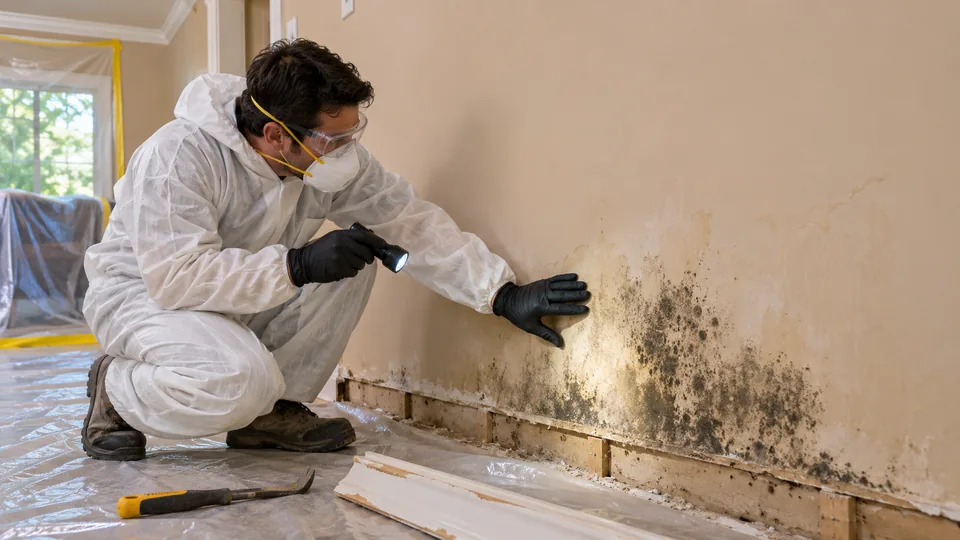
Wood mold remediation depends on the condition of the surface and how the wood is used. Mold removal from exposed wood surfaces may take different approaches. Surface growth on unfinished wood may call for different work from mold cleanup on damp wood trim with a damaged finish. A provider can review the moisture history and any signs of deterioration.
A damp piece of decorative trim and a soft floor joist call for different decisions. Flag the role and condition of the wood before asking about cleanup or replacement.
Tell us whether the growth is on bare wood, coated trim, or a panel that absorbed water.
Mention a nearby leak or recurring condensation and describe any soft or damaged sections.
Clarify which exposed wood surfaces can be assessed and what may need replacement.
Ask which wood could remain in place, what condition it was in, and what moisture or finish work should happen next to protect the surface.
Mold cleanup on wood may involve evaluating the finish condition, timber moisture, and whether the surface is firm enough to retain. Areas that provide structural support or show weakening may need a separate structural assessment.
| What you notice | What a provider checks | What to discuss next |
|---|---|---|
| Firm unfinished wood | Review surface growth, timber moisture, and nearby affected materials. | Discuss whether the exposed wood can be treated and kept. |
| Damaged coating or finish | Check for swelling, splitting, or stains beneath the finish. | Plan wood mold cleanup or discuss replacement of damaged trim. |
| Soft or load-bearing component | Review the role and visible condition of the piece. | Coordinate any separate structural evaluation before decisions about repair. |
Explain where you see wood surface mold and whether the wood is decorative, exposed, or part of the framing system.
The condition and function of the wood determine the next step. Sound wood with a surface issue is evaluated differently from wood that has weakened or deteriorated.
A provider can often start with accessible edges and the finish. Mention any peeling coating or swelling so they can discuss whether more access is needed.
Discoloration can remain in wood. Ask what the provider observed about the surface condition and how they distinguish staining from remaining growth.
Yes. Decorative trim and load-bearing floor joists serve different roles. Tell the provider which wood is involved so the service can be scoped appropriately.
Call Columbia Mold Remediation Pros to discuss wood mold removal and connect with an independent provider when available.
Tell us the Columbia-area address and whether the affected wood is a finish, a panel, or part of the framing.
For Sumter or Aiken, call with the property ZIP code to check provider availability.