
Recurring spots in the shower
Note whether the spots sit in grout, along sealant, or on the wall outside the shower.
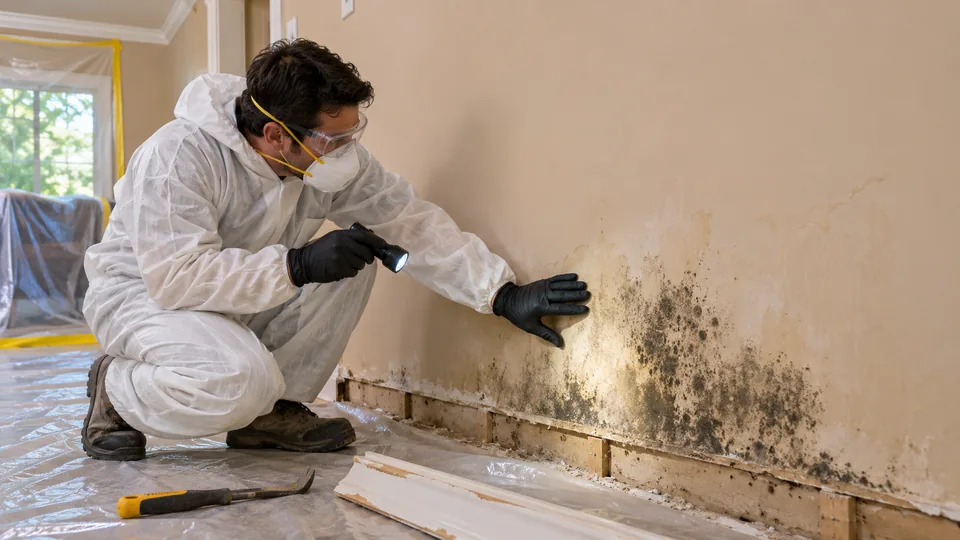
Columbia, SC
Get bathroom mold removal in Columbia, SC for concerns around a shower, tub, vanity, or bathroom ceiling. Call to discuss what got damp and where the growth keeps returning.
Note whether the spots sit in grout, along sealant, or on the wall outside the shower.
A fixture leak can wet the cabinet base, wallboard, or trim near the sink.
Tell the provider if the marks appear near an exhaust fan or spread from a plumbing stain.
Repeated wetting can affect material behind paint or at the bottom edge of a shared wall.
Shower mold removal can involve more than the grout line. Recurring shower area mold or tub surround mold may appear beside wallboard or trim that stays wet. A vanity leak can affect the cabinet base and the surface behind it.
Point out whether the first spots showed up outside the shower, beneath the sink, or near the exhaust fan. That location helps determine which finishes and possible moisture sources need review.
Describe the shower surround, vanity base, or ceiling area you first noticed.
Discuss whether the affected area includes grout, soft wallboard, trim, or part of a cabinet.
Clarify what can be accessed and whether the leak or ventilation problem needs separate work.
Before you reuse or refinish the area as usual, confirm which affected materials were addressed and whether a fixture repair, exhaust issue, or damaged finish still needs attention.
Bathroom mold remediation can include reviewing shower grout, nearby wallboard, cabinet materials, and fixture moisture. Tell us about any problem with an exhaust fan or a repaired leak so the scope accounts for condensation and water entering behind the finish.
Review surface condition and whether nearby material stays wet. Discuss shower mold removal and any separate sealant or ventilation repairs.
Check the cabinet base, adjacent trim, and wallboard near the supply or drain lines. Plan cleanup or discuss removing deteriorated cabinet material.
Review moisture history and check whether the issue extends beyond a bathroom finish. Discuss wallboard or ceiling assessment and any access needed.
Tell us which fixture is closest to the damage and whether the growth returns after normal bathroom use.
Recurring growth can point to lingering surface moisture, insufficient ventilation or water getting behind a finish. Its location helps determine what to assess.
Share whether the water reached the cabinet base, nearby trim, or wallboard. Those details help determine what a provider needs to assess.
Ask who handles each item. Mold cleanup, damaged sealant replacement, and leak repair can involve different work.
Discuss the ceiling when you call. The provider can review whether condensation, the exhaust system, or a leak above the room affects the scope.
Call Columbia Mold Remediation Pros to discuss bathroom mold removal and connect with an independent provider when available.
For bathroom mold removal near Columbia, describe the fixture closest to the growth and confirm coverage for your property ZIP code.
For Sumter or Aiken, call with the property ZIP code to check provider availability.