
Drywall tearing or softening
A panel can lose its strength after a leak. Explain which edges or sections were affected and whether any of it was removed.
Columbia, SC
Get help planning mold damage restoration in Columbia, SC after moisture affects drywall, trim, or other finishes. Call to discuss remediation and the material repair needed afterward.
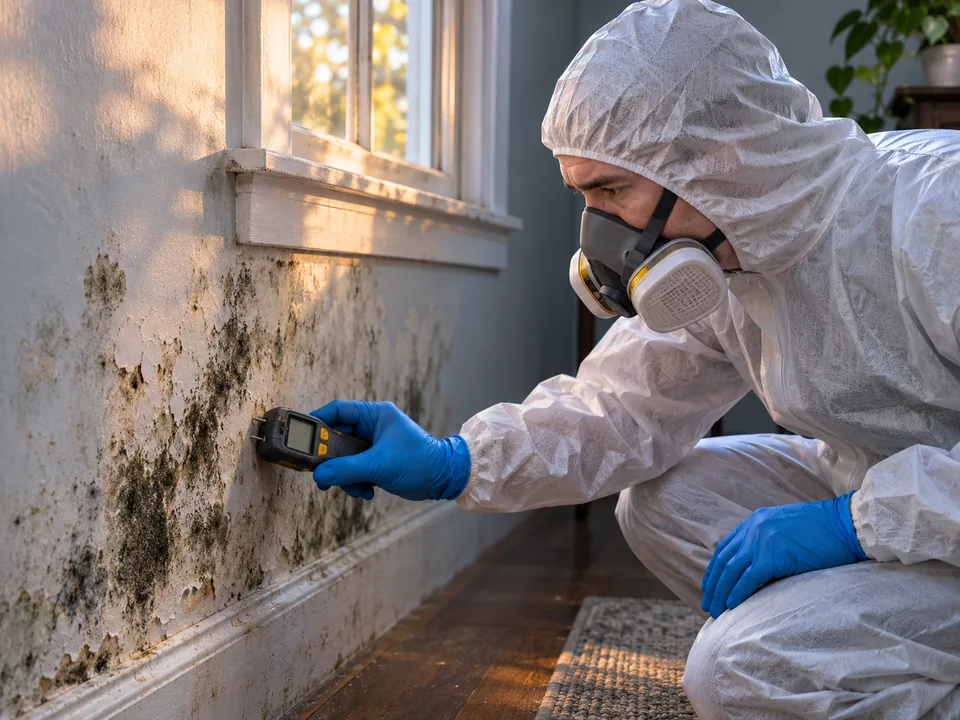
Before you restore mold-damaged drywall and trim after a plumbing leak, find out where the water traveled and whether it reached adjoining finishes. Mold damage repair starts by finding which finishes deteriorated, what lies behind them, and where drying or moisture correction needs to happen before you rebuild.
If someone has already removed the mold-damaged trim, confirm who checks the exposed wall and moisture source before new trim goes in. That helps define what belongs in the restoration estimate.
A panel can lose its strength after a leak. Explain which edges or sections were affected and whether any of it was removed.
Compare nearby baseboards and door trim. Changes beyond the visible patch can help show where water reached.
Name what was lifted and what remains exposed so restoration can be planned around the actual materials.
Tell the provider if a cavity still feels damp or the source repair has not yet been confirmed.
Discuss damaged finishes and material replacement, including what can be cleaned, what may need removal, and when repair can begin. Ask which parts of the repair scope are available and which plumbing, structural, or finishing tasks may need a separate provider.
| What you notice | What a provider checks | What to discuss next |
|---|---|---|
| Stained trim after a repaired leak | Review staining, condition, and how far the water reached. | Set the scope for cleanup and possible trim replacement. |
| Damaged wallboard and adjoining insulation | Check affected panels, reachable framing, and insulation. | Agree on removal and moisture review before reconstruction. |
| Exposed structure after prior cleanup | Ask what was addressed and what still needs review. | Define where remediation ends and material restoration begins. |
Tell us whether a plumber has completed the repair and whether any drywall or trim has already been removed. That helps clarify how much of the affected material can be assessed.
Identify what became soft, swollen, or stained after the moisture event.
Check whether the source is resolved and whether the adjoining cavity or surface needs further attention.
Clarify the order of remediation and restoration before installing replacement finishes.
Confirm which materials are ready for restoration and who is responsible for each remaining repair. Ask how the proposed schedule accounts for unresolved moisture or work by another trade.
The moisture source and condition of the materials should be evaluated first. Closing damp materials behind a finished surface can leave the underlying problem unresolved.
They can be planned together. Confirm the work included at each stage and whether material replacement requires a separate provider.
Discuss available materials and finish options with the provider. A match depends on what is currently installed and which sections need replacement.
Share what was removed, what remains exposed, and any earlier findings. The restoration provider can decide what needs review before work starts.
Call Columbia Mold Remediation Pros to discuss mold damage restoration and connect with an independent provider when available.
Call about mold damage restoration with your Columbia-area ZIP and a list of the finishes you may need to replace.
For Sumter or Aiken, call with the property ZIP code to check provider availability.