
A musty smell without visible spots
Tell us which room smells strongest and whether the odor changes after rain or when equipment runs.
Columbia, SC
Call for a mold inspection in Columbia, SC if you notice a persistent musty smell or new spotting after a leak. Ask what a mold inspector can evaluate and how the findings can guide your next step.
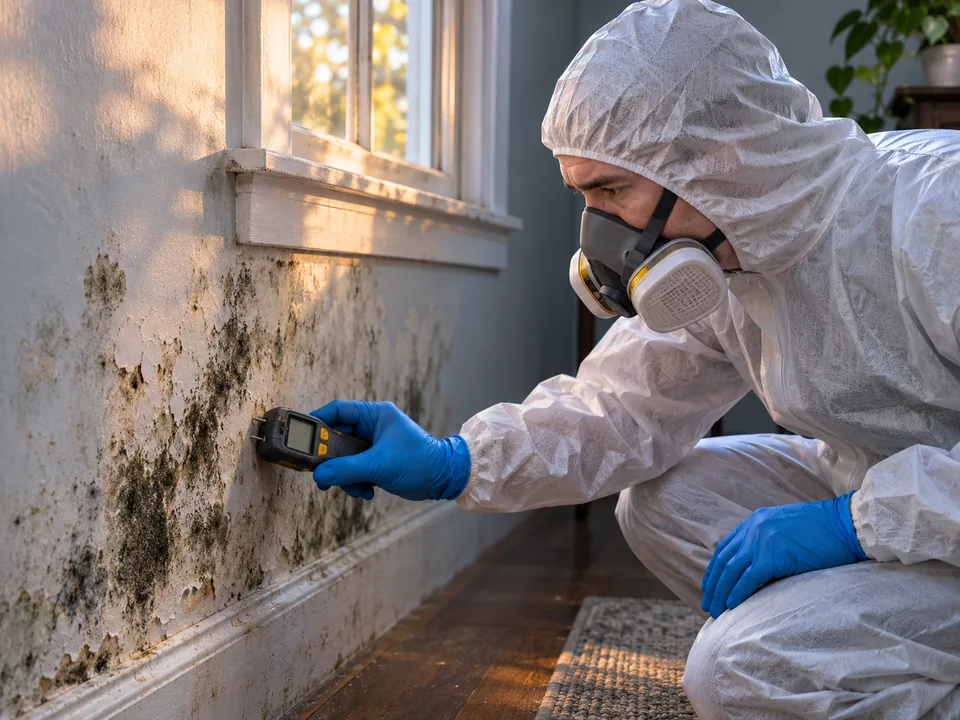
A visual inspection can include reachable surfaces, signs of hidden dampness, and a review of the suspected source. A moisture meter may help check selected materials when appropriate. If your concern involves mold testing, discuss sampling considerations and availability before scheduling.
Review room layout, reachable surfaces, and when the odor shows up. Identify where moisture checks or further access may help.
Record its location, the material, and how far the affected area extends. Discuss remediation scope and whether testing would change a decision.
Follow the likely water path and review materials near it. Decide which finishes need closer inspection before repair.
Tell Columbia Mold Remediation Pros which spaces can be reached during the visit. A utility closet, wall behind a cabinet, or finished basement may require a different access plan.
Tell us which room smells strongest and whether the odor changes after rain or when equipment runs.
The date of the leak and the first affected surface help a provider separate old marks from a current problem.
Paint, cabinets, and floor coverings can limit what can be seen during a visual mold inspection.
A repeated pattern can help narrow the search to a fixture, wall, roof area, or equipment nearby.
A home mold inspection after a leak can help narrow the suspected source and affected area. If you need a mold inspection for a musty smell, share where it is strongest, when it returns, and whether you notice dampness or visible spotting nearby.
An odor that gets stronger after rain can lead the provider to different areas than an odor that starts when the air handler runs. Keep a short note of where and when you notice it.
Share the date of any leak and which room, wall, or flooring edge changed first.
Look for patterns that help distinguish visible growth, staining and signs of concealed moisture.
Ask whether the observations support visible mold removal or whether more investigation is needed.
Ask the provider to explain what they observed, which areas could not be checked, and what needs further review. Those details help you choose between cleanup, removal, restoration, and prompt source repair.
The EPA says sampling is generally unnecessary when mold is visible. The condition of the material and the source of moisture usually matter more when planning remediation.
Yes. Explain why you need testing so the provider can discuss whether sampling is appropriate and confirm whether it is available.
Yes. Tell the provider how long the room was wet and what was dried or removed. An assessment can consider visible changes and accessible materials even after the surface dries.
Ask where the signs point, which materials were checked, and what the findings mean for the next step. Confirm in advance what information you can expect after the visit.
Call Columbia Mold Remediation Pros to discuss mold inspection and connect with an independent provider when available.
For a mold inspection in the Columbia area, give the inspection address and describe where you first noticed a smell, stain, or leak.
For Sumter or Aiken, call with the property ZIP code to check provider availability.