Where Mold Appears After Water Damage
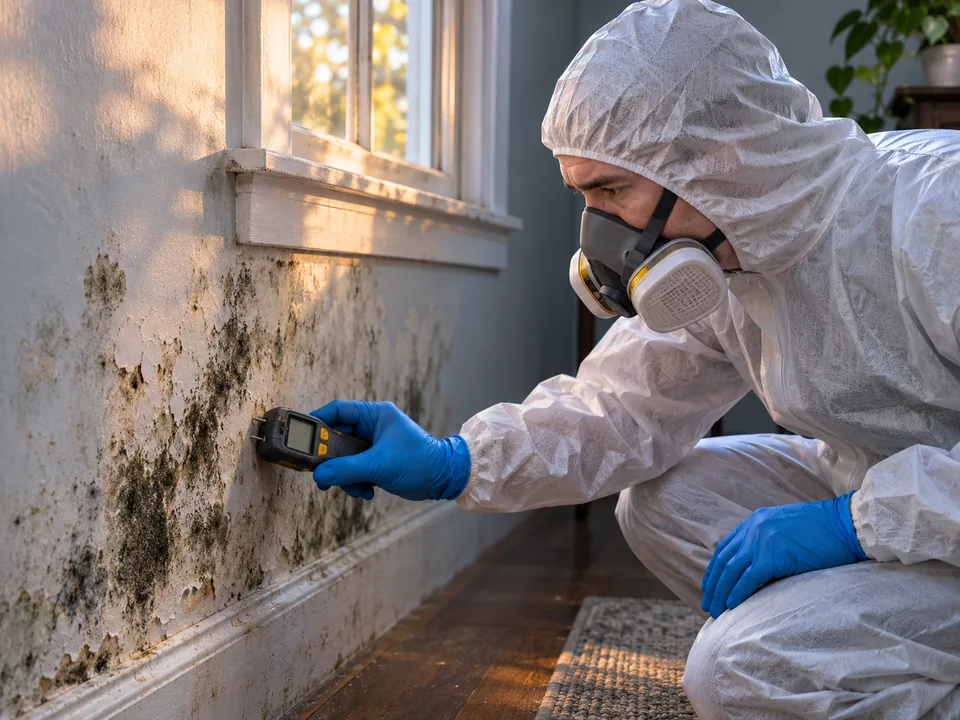
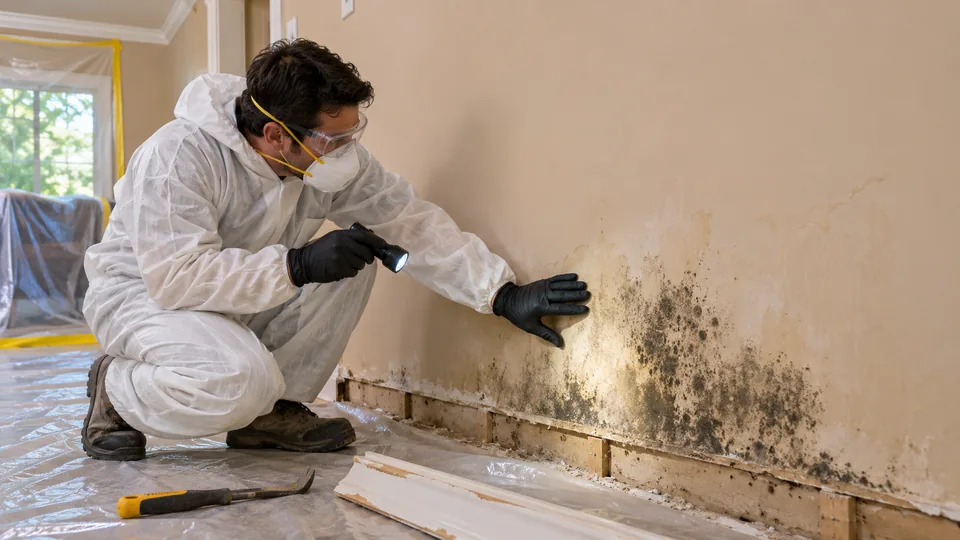
Follow the moisture pathway from the original leak. Look for visible changes at the wall base, near carpet edges, beneath a sink, or on a ceiling below plumbing. When a leak affected more than one room, tell the provider where the first changes appeared and how far they extend.
Mold after flooding can affect different building materials from a small fixture leak. Explain where the water came from and whether it reached porous materials such as drywall or carpet padding.
How to Spot Mold After a Water Leak
Compare what you see with what you smell and feel. Fresh spotting, a persistent musty odor, and material swelling give different clues. A water stain alone cannot identify mold. If the area remains damp or the surface hides damage, ask about an assessment before replacing finishes.
When to Ask for an Inspection or Urgent Cleanup
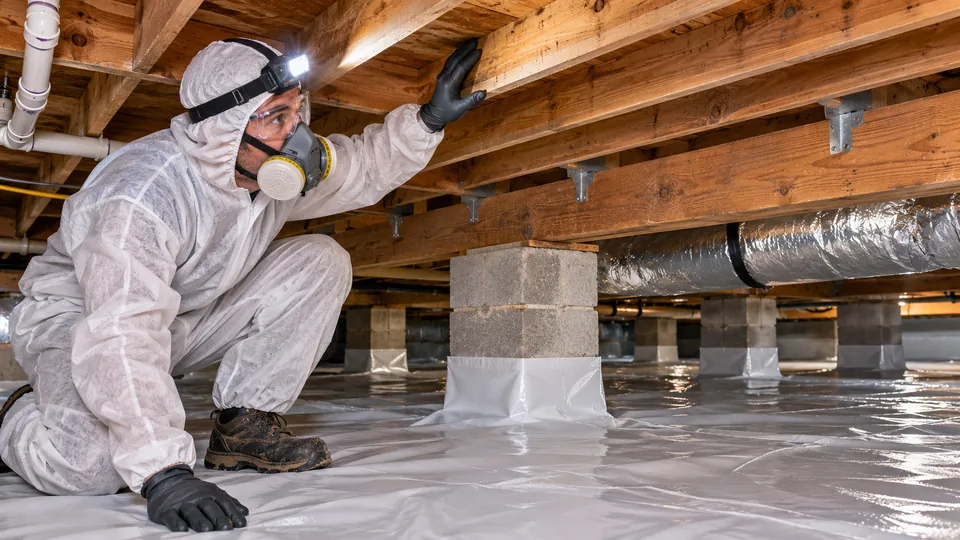
An inspection is a practical first call when you can smell a problem but cannot locate it. If you see growth across multiple rooms or the water source is still active, describe that immediately and ask about current emergency availability. Bring the leak timeline and any completed repair details to the call.
Read the EPA guide to mold and moisture